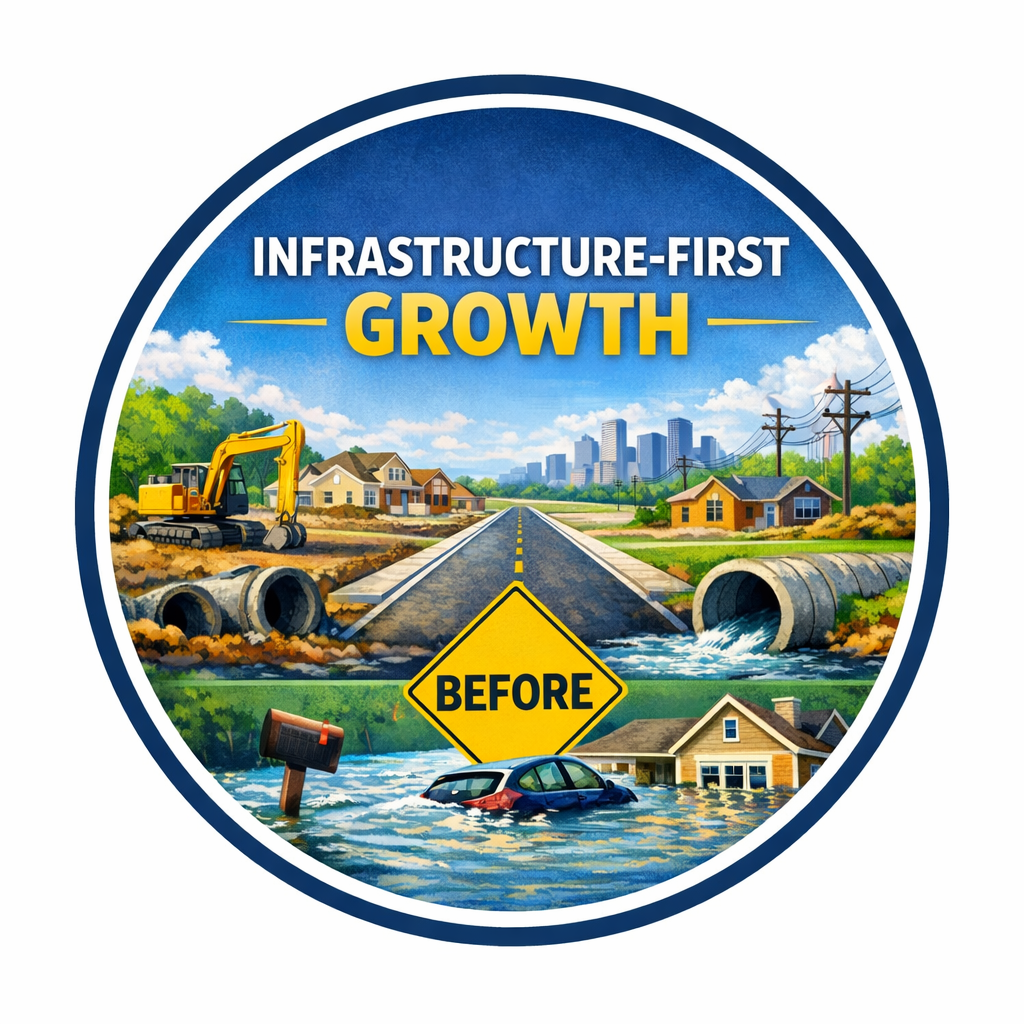
Flooding is one of the biggest challenges facing Titusville. While no city can prevent every flood, we can do a much better job of preparing for storms, maintaining our stormwater infrastructure, and ensuring problems do not fall through the cracks.
Today, responsibility for flooding is spread across multiple organizations, including the City of Titusville, Brevard County, the St. Johns River Water Management District, FDOT, utility providers, HOAs, and private property owners. Too often, residents are left trying to figure out who is responsible while agencies point to one another.
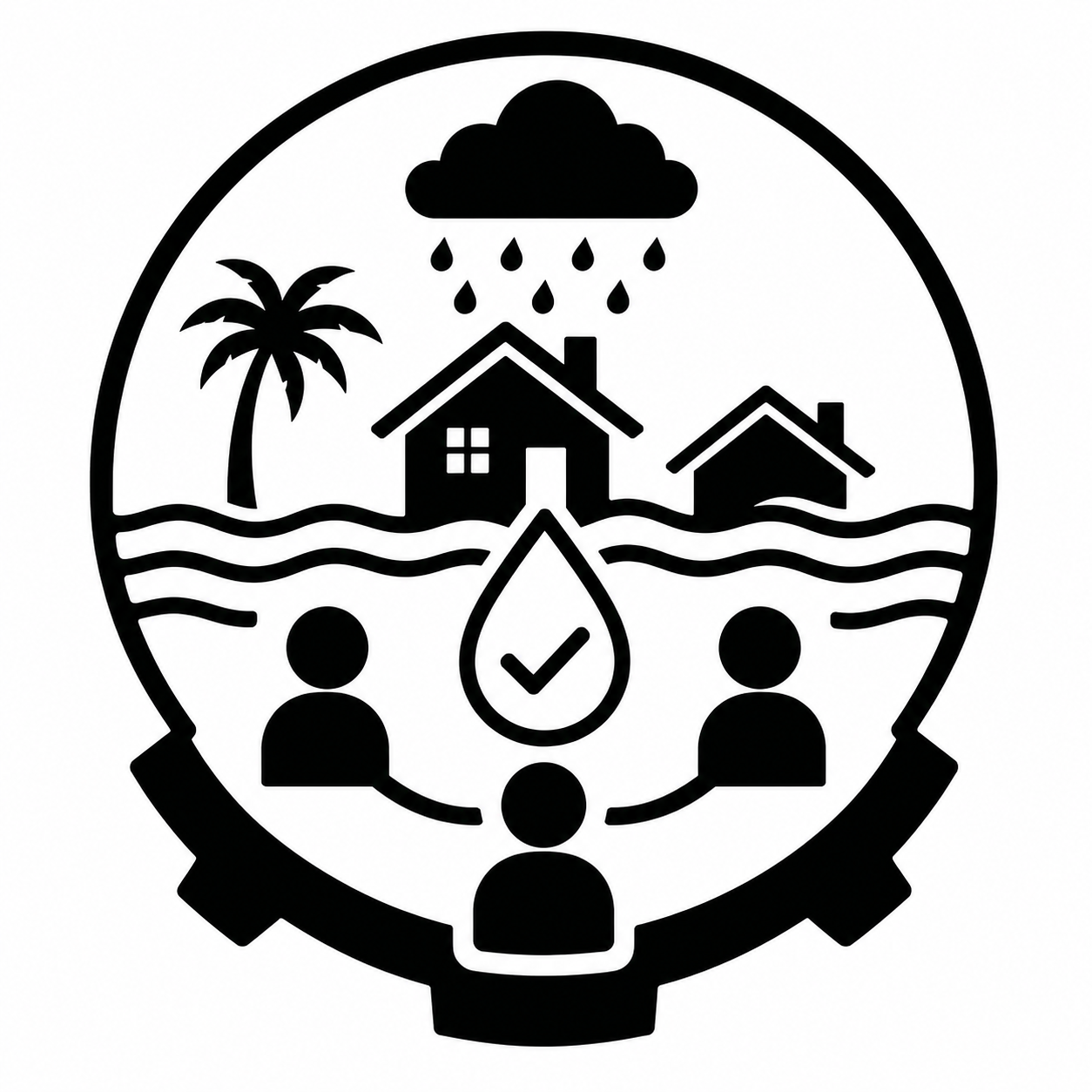
I support creating a Flood Response Coordinator who would lead a multi-agency Flood Response Task Force. At a minimum, the task force should include representatives from the City of Titusville and Brevard County, with participation from state agencies whenever appropriate.
The Flood Response Coordinator should have the authority to coordinate departments, track progress, make recommendations directly to City Council, and ensure agencies remain accountable for assigned actions.
Responsibilities of the Flood Response Task Force
Flood Tracking
Create and maintain a citywide flood reporting and tracking system that identifies recurring flooding locations, documents storm impacts, collects photos and resident reports, and builds a long-term database to help prioritize solutions based on real-world data.
Interagency Coordination
Determine which agency or property owner is responsible for each flooding issue and coordinate efforts to ensure problems are addressed. The task force would serve as the central point of coordination so that residents are no longer sent from one agency to another looking for answers.
Stormwater Maintenance Accountability
Maintain an inventory of publicly and privately owned stormwater assets, including retention ponds, drainage ditches, culverts, and other critical infrastructure, and monitor their maintenance status. When deficiencies are identified, the task force would work with the responsible parties to ensure they are addressed.
Neighborhood Flood Liaisons
Encourage neighborhoods with recurring flooding issues to identify a volunteer liaison who can serve as a point of contact with the task force. These volunteers would not be expected to solve flooding problems themselves, but they would help communicate local concerns, report maintenance issues, and provide firsthand information about recurring conditions within their neighborhoods.
Capital Improvement Prioritization
Use objective criteria to recommend stormwater improvement projects based on factors such as the number of homes affected, severity and frequency of flooding, public safety, infrastructure condition, and overall community impact. This helps ensure that projects are prioritized based on need rather than politics.
Transparency and Accountability
The Flood Response Task Force should provide an annual public report to the City Council and residents outlining:
- Flooding hotspots and recurring problem areas
- Stormwater maintenance completed during the year
- Infrastructure improvements underway or completed
- Outstanding issues requiring attention
- Grant funding pursued or received
- Recommended priorities for the coming year
Residents deserve to know not only what problems exist, but what progress is being made to address them.
My Commitment
I will not promise to eliminate flooding. No elected official can honestly make that promise.
What I will promise is to advocate for better coordination, greater accountability, proactive maintenance, and data-driven decision-making so that flooding issues are identified, tracked, prioritized, and addressed more effectively than they are today.
Protecting our neighborhoods starts with ensuring that everyone responsible for our stormwater system is working together toward the same goal.